
The Health Benefits of Reiki: A Gentle Path to Balance and Well-Being
In a world that often feels rushed, noisy, and overwhelming, many people are searching for ways to slow down and reconnect with themselves. Reiki, a gentle energy-based practice that originated in Japan, has become increasingly popular as a complementary approach to wellness. While Reiki is not a replacement for medical care, many people report meaningful physical, emotional, and mental benefits from regular sessions.
So what exactly is Reiki, and how can it support your health?
What Is Reiki?
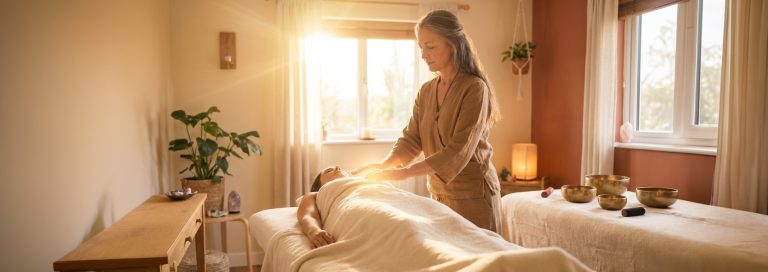
Reiki is a holistic healing practice based on the idea that a universal life energy flows through all living things. During a Reiki session, a trained practitioner uses light touch or hands placed just above the body to help encourage balance and relaxation. The goal is to support the body’s natural ability to heal itself by reducing energetic blockages and restoring harmony.
Reiki is non-invasive, gentle, and typically experienced as deeply calming.
Stress Reduction and Deep Relaxation
One of the most widely reported benefits of Reiki is stress relief. Modern stress can take a serious toll on the body, contributing to fatigue, headaches, digestive issues, and weakened immunity.
Reiki sessions often place people into a meditative, deeply relaxed state. This activates the parasympathetic nervous system—the body’s “rest and digest” mode—which can help lower heart rate, reduce muscle tension, and calm the mind. Many people leave a session feeling lighter, calmer, and more grounded.
Emotional Balance and Mental Clarity
Emotional well-being is closely linked to physical health. Reiki is frequently used to support emotional balance by helping people process feelings such as anxiety, grief, anger, or overwhelm.
Clients often report:
- A greater sense of inner peace
- Improved mood
- Reduced anxiety
- Clearer thinking and mental focus
By creating space for stillness, Reiki may help people become more aware of emotional patterns and release stored tension in a gentle, non-verbal way.
Support for Better Sleep
Poor sleep affects nearly every system in the body, from immunity to mood to cognitive function. Because Reiki promotes relaxation and nervous system regulation, it may be helpful for people struggling with insomnia or restless sleep.
Many individuals report falling asleep more easily, sleeping more deeply, and waking up feeling more refreshed after Reiki sessions—especially when treatments are received regularly.
Pain and Physical Discomfort Support
While Reiki does not claim to cure illness or replace medical treatment, some people use it as a complementary practice to manage chronic pain or physical discomfort. The deep relaxation associated with Reiki may help reduce the perception of pain and ease muscle tension.
People have reported benefits for:
- Headaches and migraines
- Back, neck, and joint discomfort
- Post-exercise or post-procedure recovery
Reiki is often used alongside conventional treatments to support overall comfort and resilience.
Boosting Self-Awareness and Mind-Body Connection
One of Reiki’s quieter but powerful benefits is increased self-awareness. Regular sessions can help individuals tune into their bodies, notice areas of tension or imbalance, and become more mindful of their emotional and physical needs.
This strengthened mind-body connection may encourage healthier choices, better stress management, and a deeper sense of personal empowerment.
A Safe Complement to Conventional Care
Reiki is generally considered safe for people of all ages and health conditions. Because it is gentle and non-invasive, it can be used alongside medical care, therapy, fitness routines, and other wellness practices.
It’s important to note that Reiki should be viewed as a complementary approach—not a substitute for professional medical advice, diagnosis, or treatment.
Is Reiki Right for You?
Reiki is not about belief; many people approach it simply as an opportunity to relax and reset. Whether you’re managing stress, seeking emotional balance, or looking for a deeper sense of calm, Reiki may offer a supportive space to nurture your overall well-being.
As with any wellness practice, the experience is personal. Some people feel immediate effects, while others notice subtle changes over time. The key is openness, consistency, and choosing a qualified practitioner you feel comfortable with