Aromatherapy: How Scent Supports Relaxation, Healing, and Well-Being
Our sense of smell is powerful. A single scent can bring back a memory, shift our mood, or help us feel calm almost instantly. Aromatherapy uses this natural connection between scent and the brain to support physical, emotional, and mental well-being. Rooted in ancient traditions and widely used today, aromatherapy offers a simple yet effective way to bring balance into daily life.
What Is Aromatherapy?
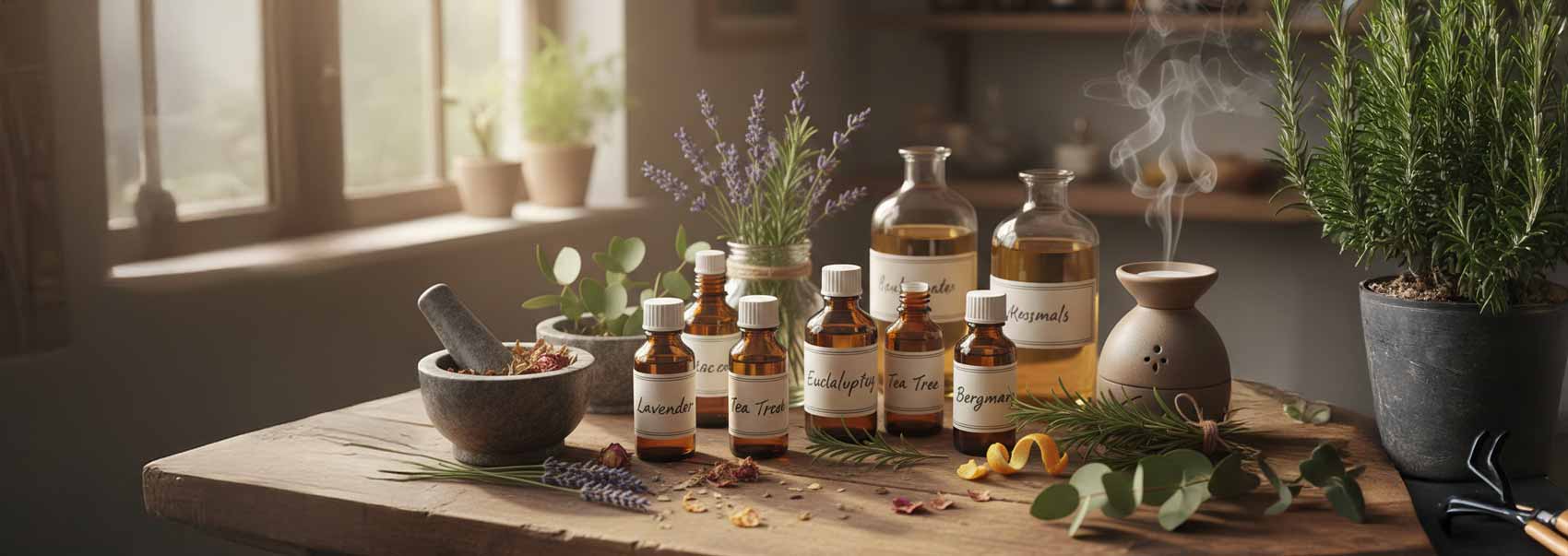
Aromatherapy is a holistic healing practice that uses natural plant extracts—known as essential oils—to promote health and wellness. These oils are typically distilled from flowers, leaves, bark, roots, and fruits, capturing the plant’s natural aroma and properties.
Essential oils can be inhaled, diffused into the air, or applied to the skin (when properly diluted). Each oil has its own unique scent and is traditionally associated with specific benefits.
How Aromatherapy Works
When essential oils are inhaled, scent molecules travel through the nose to the limbic system—the part of the brain involved in emotions, memory, and mood. This is why aromatherapy can have such an immediate emotional effect.
When applied topically, essential oils may also interact with the body through the skin and bloodstream, often paired with massage to enhance relaxation and circulation.
Aromatherapy is not a cure, but it is commonly used as a complementary practice to support overall wellness.
Common Essential Oils and Their Benefits
Lavender – Relaxation and Sleep
Lavender is one of the most popular essential oils. It’s widely used to promote relaxation, ease stress, and support better sleep.
Peppermint – Energy and Focus
With its crisp, cooling scent, peppermint is often used to boost alertness, ease tension headaches, and support mental clarity.
Eucalyptus – Breathing and Clarity
Eucalyptus is commonly used to support clear breathing and respiratory comfort. Its fresh scent can feel cleansing and invigorating.
Lemon – Mood and Freshness
Bright and uplifting, lemon oil is associated with improved mood, focus, and a sense of cleanliness and renewal.
Tea Tree – Purifying and Protective
Known for its cleansing qualities, tea tree oil is often used to support skin health and promote a feeling of freshness.
Benefits of Aromatherapy
Many people turn to aromatherapy for its gentle yet effective support. Reported benefits include:
- Reduced stress and anxiety
- Improved sleep quality
- Enhanced mood and emotional balance
- Increased focus and energy
- Support for relaxation and self-care routines
Because aromatherapy is easy to incorporate into daily life, it can be especially helpful during busy or stressful times.
Ways to Use Aromatherapy
There are many simple ways to enjoy aromatherapy:
- Diffusing essential oils in your home or workspace
- Inhaling oils from a cotton pad or personal inhaler
- Adding diluted oils to bathwater
- Using oils during massage or self-massage
- Spraying diluted oils as room or linen sprays
Always use essential oils safely and follow proper dilution guidelines.
Safety and Mindful Use
Essential oils are highly concentrated and should be used with care. They should never be ingested unless under professional guidance, and some oils may not be suitable for children, pets, or during pregnancy.
Aromatherapy works best when approached mindfully—as a supportive practice alongside healthy lifestyle choices and professional care when needed.
Final Thoughts
Aromatherapy invites us to slow down and reconnect through one of our most powerful senses. Whether you’re seeking calm, clarity, energy, or comfort, scent can be a gentle and effective ally in your wellness journey.
With just a few drops of the right essential oil, you can transform your space—and your state of mind.